Introduction to this boat.
Some history…
The Royal Navy has operated small boats from its warships for centuries. By the 1900’s several distinct classes of ships’ boat had developed, powered by either a combination of oar and sail, or steam. They were used principally for passenger transport; some for carrying senior officers, and others for carrying ships’ crews and stores.
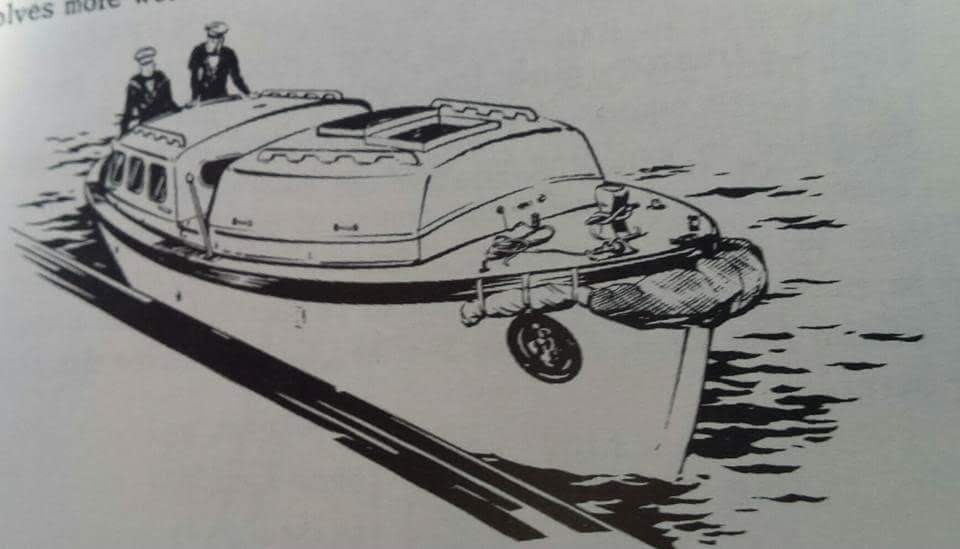
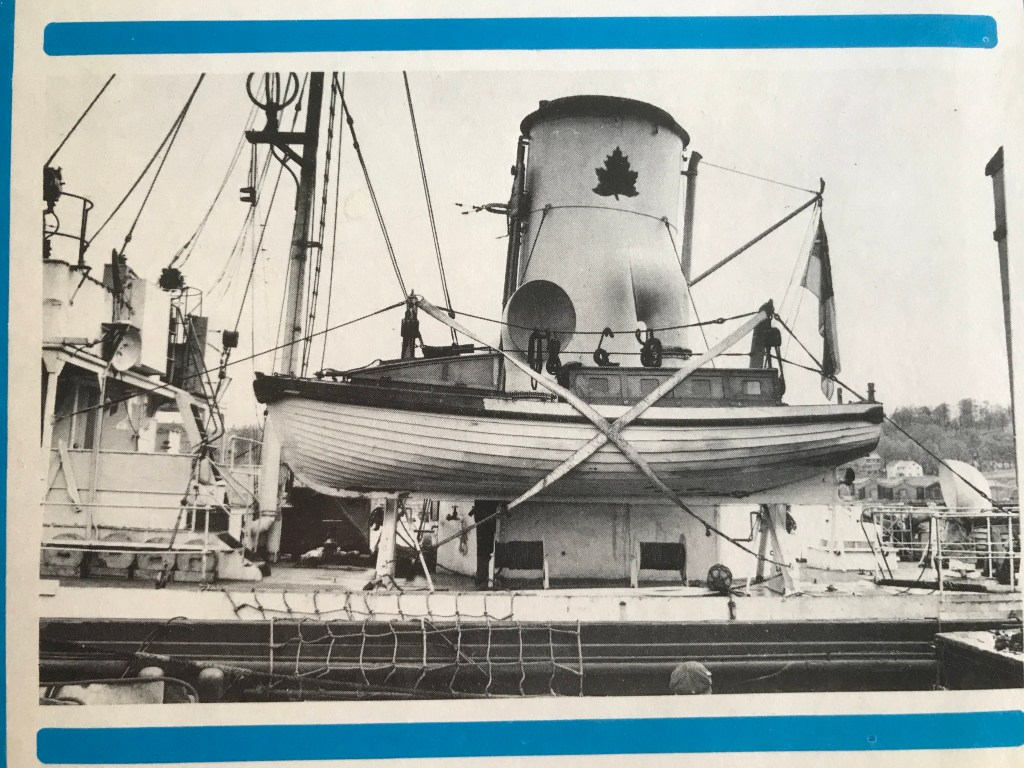
The availability of small diesel engines in the early twentieth century allowed relatively compact powered craft to be operated from warships. One of the most common wooden naval ship’s boat was the 25’ Motor Cutter. Motor Cutters were operated from a wide variety of warships and auxiliaries and were used mainly for officer transport. The scale of Motor Cutter operations can be judged from the fact that 1,373 25’ Motor Cutters were built between 1938 and 1968. Motor Cutters were also built for ships of other Commonwealth countries’ navies, with examples being operated from Canadian and Australian ships.
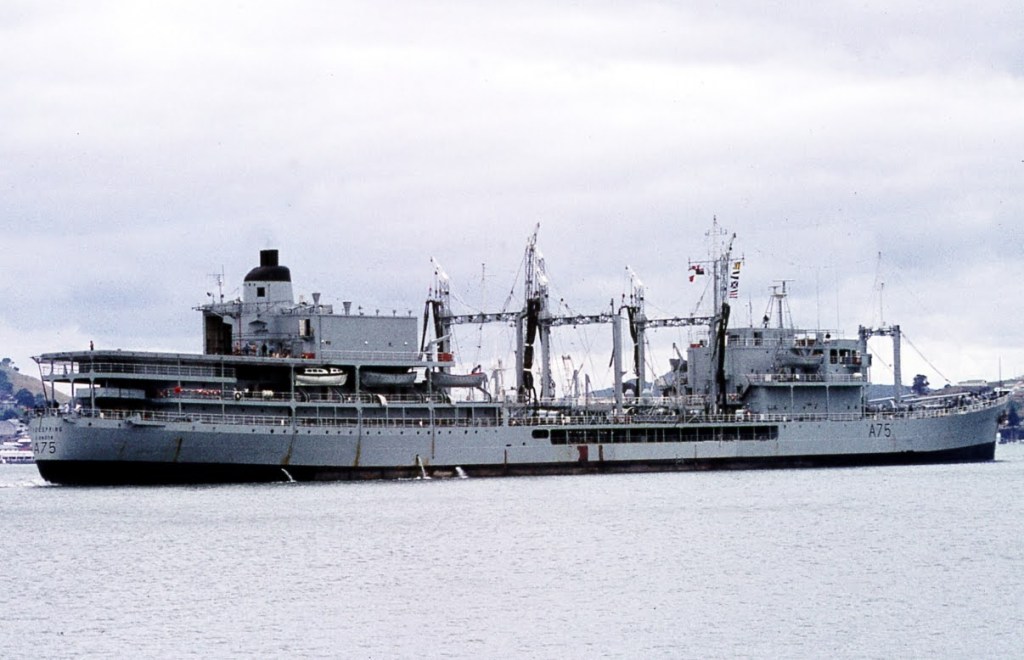
Prior to the 1980s. the four Royal Dockyards at Portsmouth, Devonport, Chatham, and Rosyth were actively maintaining and repairing large numbers of wooden ships’ boats. From the 1970s onwards, lower-maintenance GRP boats were introduced to replace the wooden craft. The last wooden ships’ boats of standard design to serve at sea with the Royal Navy were carried on board the tanker RFA Tidespring, which paid off for disposal in 1991. The infrastructure for wooden boat maintenance has long vanished from the former Royal Dockyards.
Most of the wooden ships’ boats were built by commercial boatyards to Admiralty designs and specifications. The Royal Dockyards were then responsible for the boats’ maintenance whilst they remained in Service. The maintenance task was undertaken by teams of skilled dockyard shipwrights. Their skills were taught through apprenticeship schemes, which included the construction of small pulling dinghies.
Apprentices were given a handbook, produced by the dockyards, called ‘New Boat Work’. The handbook described the craft they might expect to work on and gave some details of their construction. For example, the 1963 edition gave the following, edited, description of a 25’ Motor Cutter:
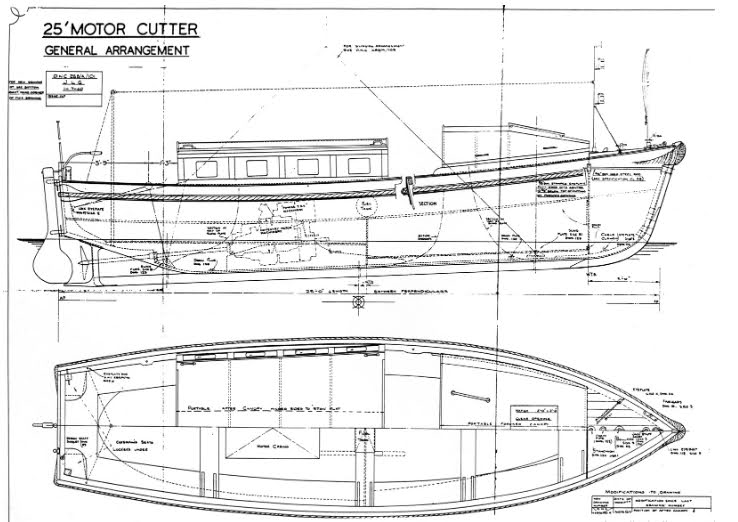
“The 25’ Motor Cutter is a clinker built round-bilged boat, strongly constructed and suitable for use as a quantity transport. They are carried on most ships of the Fleet, including Carriers and Frigates. The Guided Missile Destroyers will carry four of this type, and at least one of these will be converted for use as an Admiral’s Barge. The general description of the boat is as follows:
The main keel is of English oak in one piece from scarph at forefoot to the sternpost as shown.
The after part of the keel ‘B’ is also of English oak and is widened out to form a combination of keel, leg and tube chock.
An English oak hog is fitted; the fore end is housed under the fore deadwood and the after end scarphed onto the upper part of the keel.
The transom is of English elm in one piece, and an English oak transom knee is fitted.
Side planking is of African mahogany 3/8 ins. thick, built clinker fashion as shown, and if possible, each strake is in one length.
Deck planking is in two thicknesses of African mahogany worked fore and aft. The middle line ‘king plank’ is rebated to take those adjacent to it.
Deck beams are of English oak; the ends are connected to the gunwales by galvanised mild steel lugs.
Timbers are of English oak, steamed to shape and where possible in one length from gunwale to gunwale. At the ends of the boat where this is not practicable, they are in two pieces with ends checked into fore deadwood and after part of the keel.
Four mahogany thwarts are attached by clench nails to risings and to the side of the boat with galvanised mild steel knees.
Coamings are of mahogany ¾ ins thick and worked in three pieces. Upper and lower rubbers are of mahogany, and both built up in two layers of ¾ ins material.
Bilge rails (fitted with hand holds) extend approximately half the length of the boat. They are fitted at the turn of the bilge and usually a doubling plank is worked for additional strength. English oak is used.
The rudder is English elm, 1 ½ ins thick bearded to 7/8 ins on the after edge. The head is oval in section and formed by a ¾ ins English elm chock on each side, which extends from the top of the rudder to just below the transom and is secured by clench nails. A galvanised forged tiller 2ft 6 ins in length is so shaped that it can be inverted, and the coxswain can steer comfortably from a sitting position.
The stern casting is gunmetal, swelled out in way of stern tube and extends aft to form a bearing for the bottom pintle of the rudder.
Two portable canopies rest on the coamings. They are constructed of ¼ ins ply, built up on a framework of laminated oak beams and side supports, together with rebated mahogany corner pieces. Perspex is used for the windows of the canopy.”
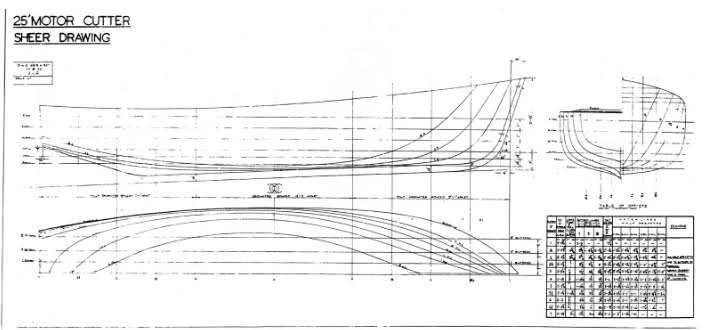
The basic design of the Motor Cutter remained unchanged throughout 30-years of construction. However, detailed changes included an increased headroom under the after canopy, and the introduction of GRP canopies from the early 1960s. Early vessels were powered by a Dorman 2DSM water-cooled diesel (other engine options are mentioned), whilst later craft were fitted with an Enfield HO2 air-cooled diesel.
All naval ships’ boats were designed to remain afloat, even when swamped. During production, one in ten craft would be selected at random from the builder’s yard for a ‘swamp test’. This included replacing the engine with ballast of the same mass, together with further ballast to represent the crew, stores and fuel. It would be launched and filled with water to the gunwales, to confirm that it would remain afloat under these conditions. This ensured the boats could be used with confidence in a lifesaving role. Their lifesaving capacity was rated at 26, including the usual crew of two.
Discussions with former coxwains confirmed the sea-kindly qualities of Motor Cutters. Specific examples included descriptions of winter operation of Motor Cutters in mid-ocean whilst rescuing convoy survivors during the Battle of the Atlantic, and rescuing soldiers from Dunkirk during 1940. In the Atlantic, the more seaworthy Motor Cutters were used in preference to the open 27’ Motor Whalers. At Dunkirk, 55 individuals were regularly being ferried to waiting ships – with minimal freeboard on the Motor Cutter.
An account of the rescue of torpedoed sailors from HMCS Athabaskan in the Atlantic in 1944 together with the restoration of HMCS Haida’s Motor Cutter can be read here. http://jproc.ca/haida/mc_restoral.html
In summary, the 25’ Motor Cutter was an effective ships’ boat that served for over 50-years at sea with the Royal and other Navies.
The foregoing content is largely based on an article by J. Shaw first published in the Vintage Wooden Boat Association newsletter in 2004 and I would like to thank him for allowing its use in these pages.
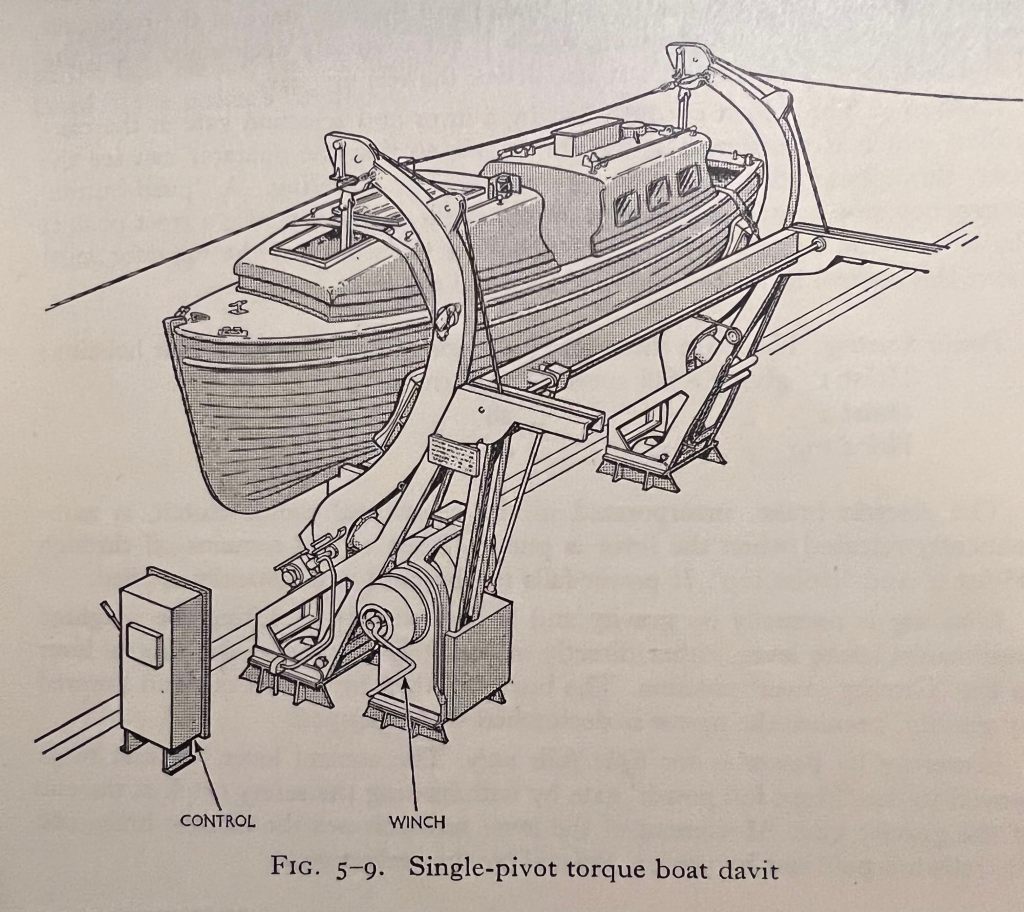
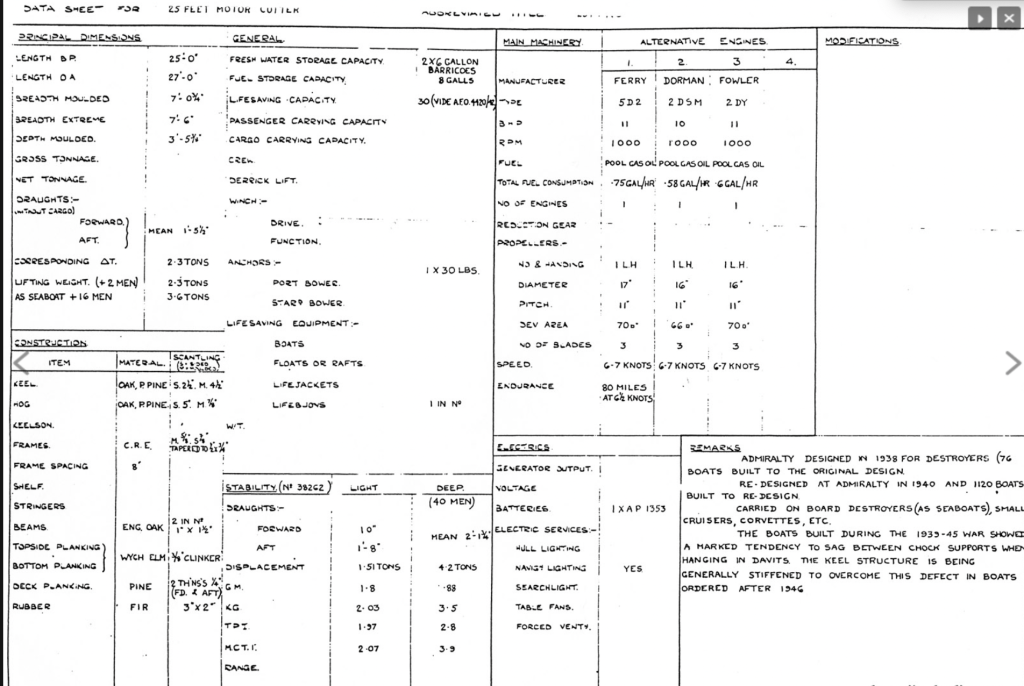
A description of the Motor Cutter is given on the General Arrangement plan drawing ‘Remarks’ box:
“Admiralty designed in 1938 for Destroyers (76 boats built to the original design). Re-designed at Admiralty in 1940 and 1120 boats built to re-design.
Carried on board Destroyers (as seaboats), small cruisers, corvettes, etc.
The boats built during the 1939-45 war showed a marked tendency to sag between chock supports when hanging in davits. The keel structure is being generally stiffened to overcome this defect in boats ordered after 1946.”
Clearly, this remark was written before Motor Cutter production had ceased as about 200 more boats were subsequently built for RN service.
Are there any left?
Today, very few Motor Cutters survive. Sold out of service many ended up as fishing or work boat conversions and when their useful lives were over were simply broken up or left to rot, possibly not helped by their relatively light construction.
However, there are a few survivors that we know of. A couple exist in naval museums; One attached to HMCS Haida in Hamilton, Canada, as mentioned above, and the other attached to HMS Cavalier at the Royal Dockyard, Chatham, Kent.
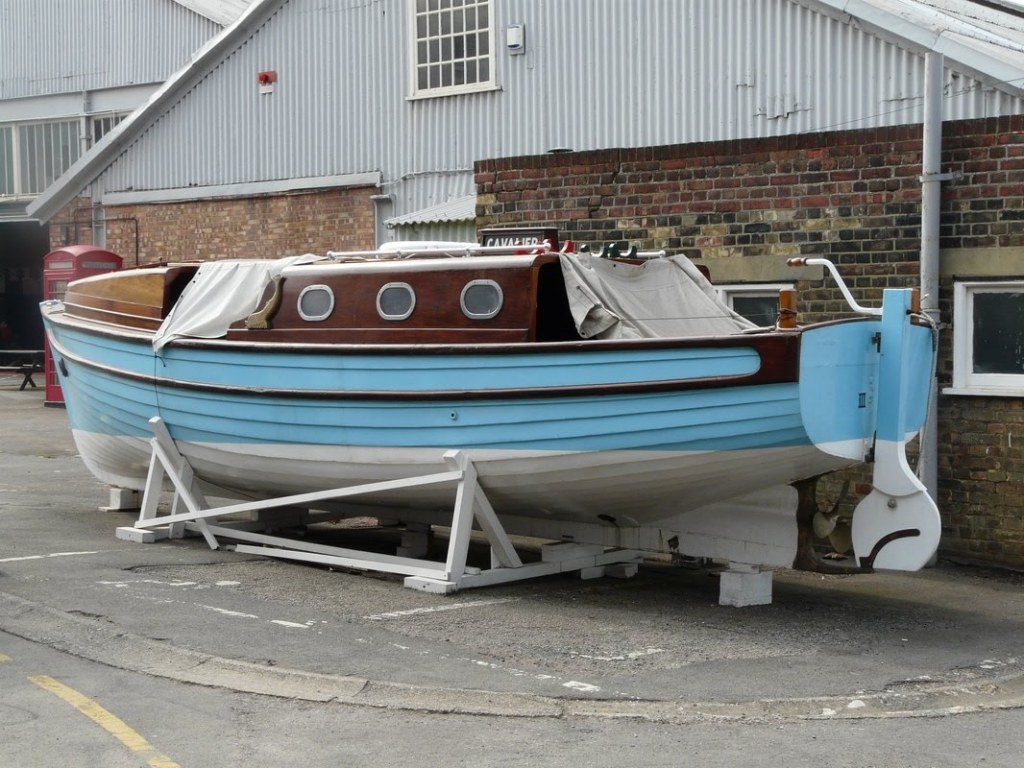
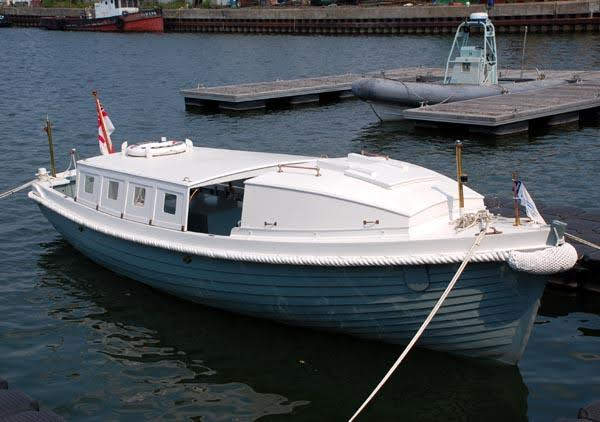
There is another one that has been in the hands of one family since being sold from service and after originally being converted into a cabin cruiser for use on inland waterways is now in dry storage undergoing restoration.
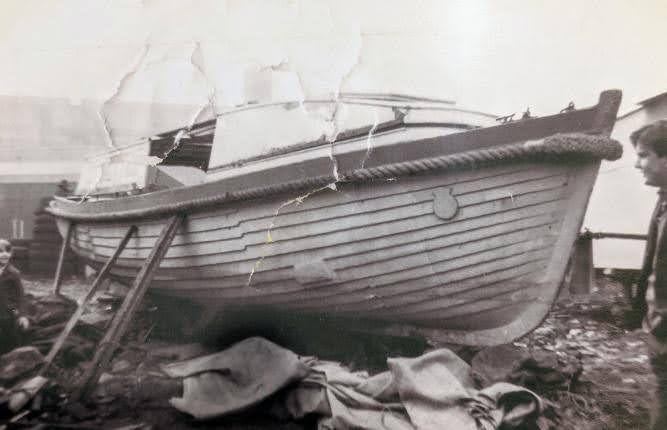
There were two (Boat numbers 6457 and 6780) in private hands in the 1980s that were sympathetically restored to original 1960s appearance and configuration, but these were sold to owners in the Netherlands and their current whereabouts is unknown.
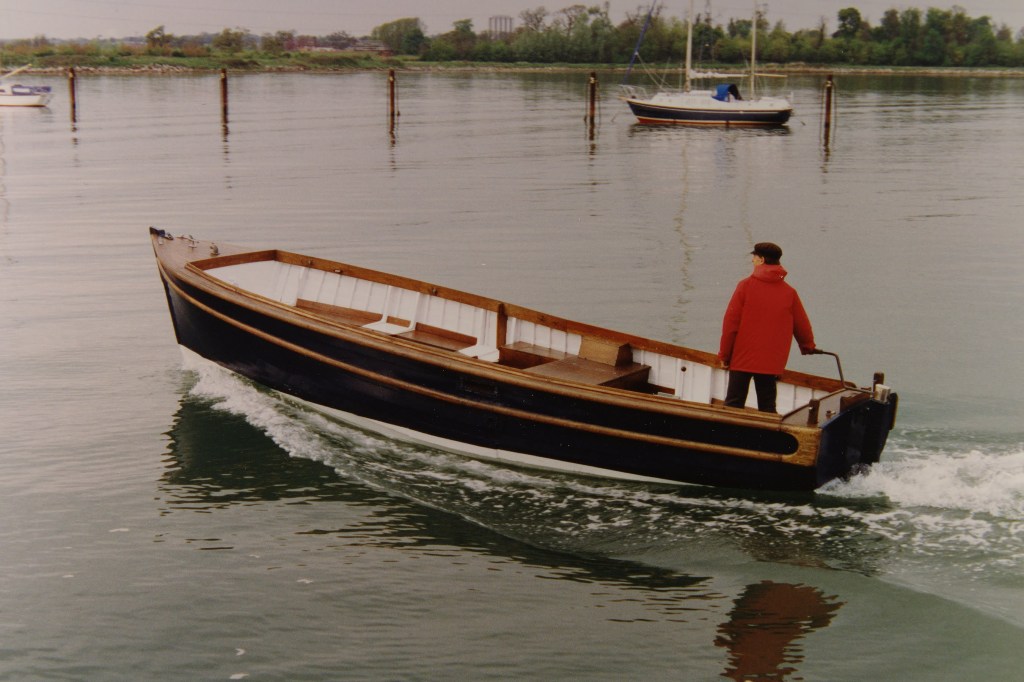
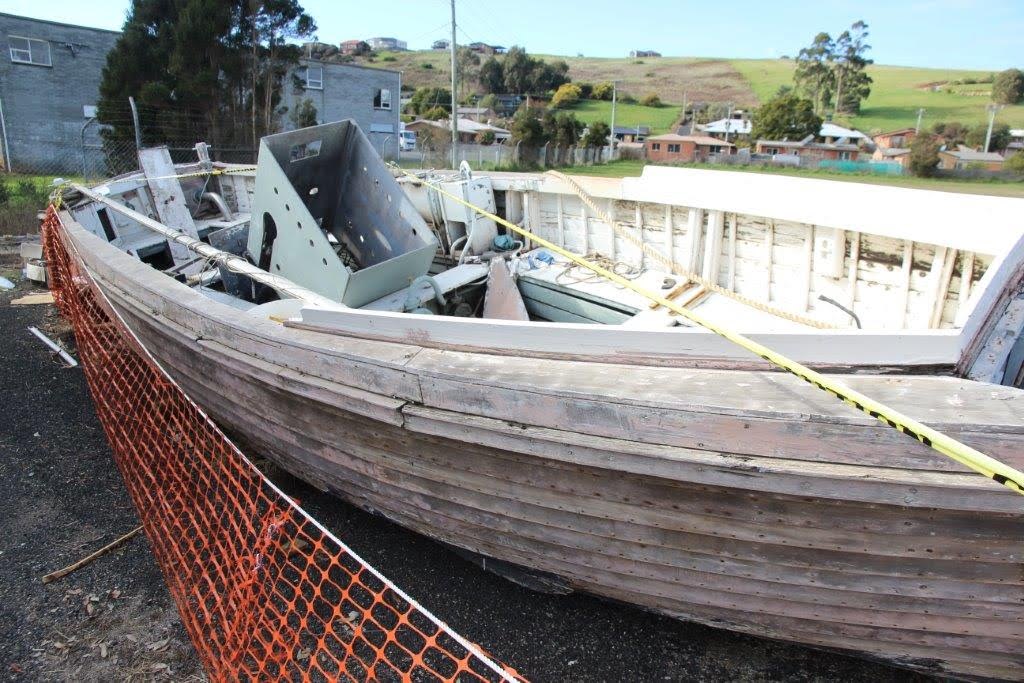
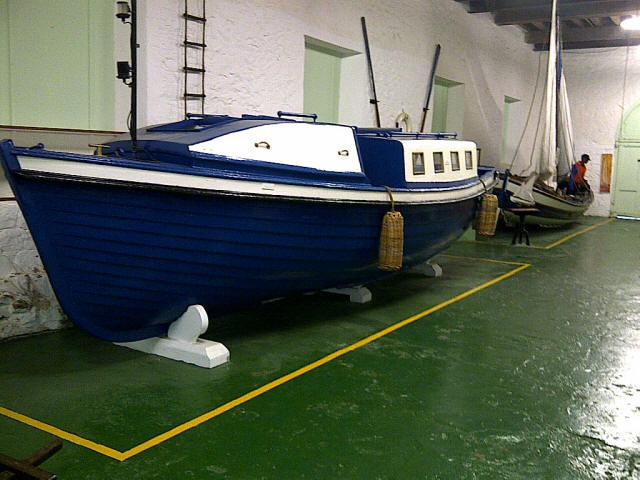
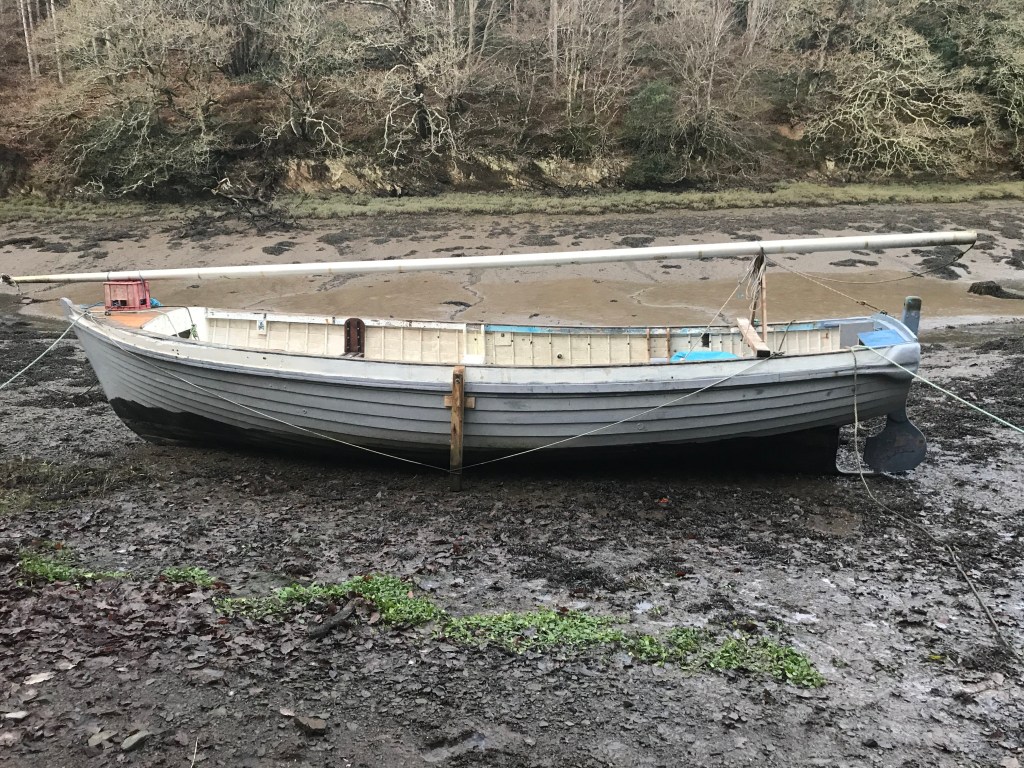
Finally, let me introduce my Motor Cutter.
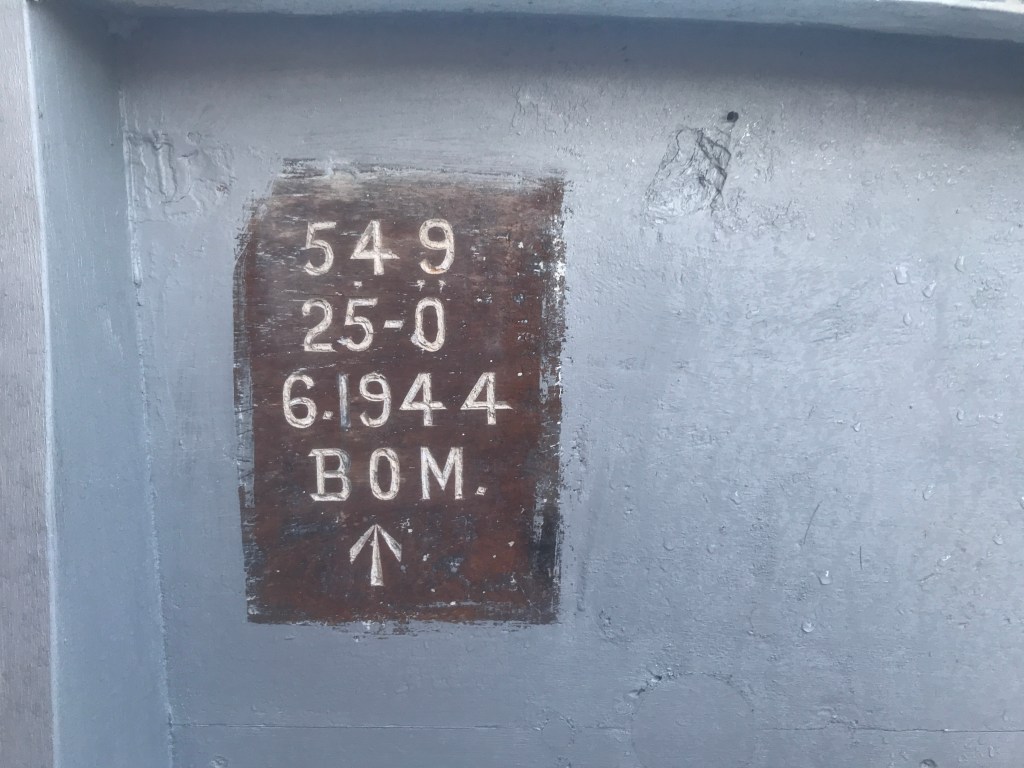
Motor Cutter. Boat No. 549
This Cutter was built at Bombay (now Mumbai) in 1944 which at that time was a UK Naval Dockyard. However, I do not know with any certainty what HM Ship she was issued to, how long she was in service or when she was paid off/disposed of and what her use was in civilian hands. Whilst pretty much all her sisters have been lost or destroyed 549 has survived. This is partly due to the fact that I think she was only used as a cabin cruiser but mainly because she is built of exceedingly durable timber that has enabled her to survive years of neglect that would have terminated a mahogany planked example.
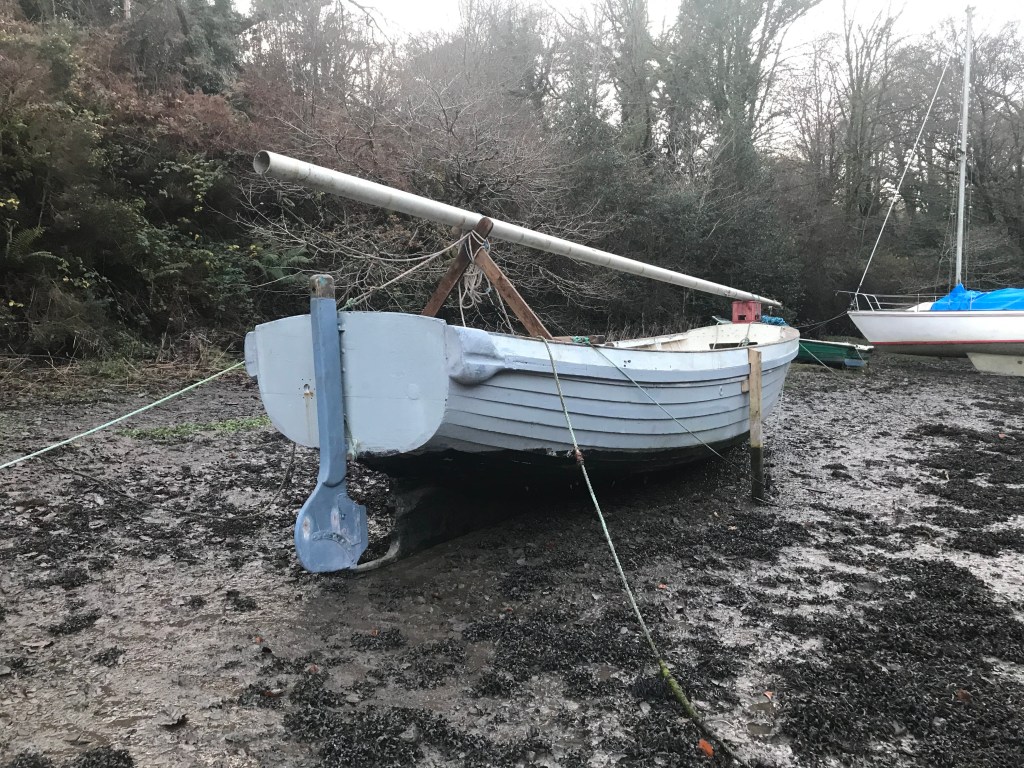
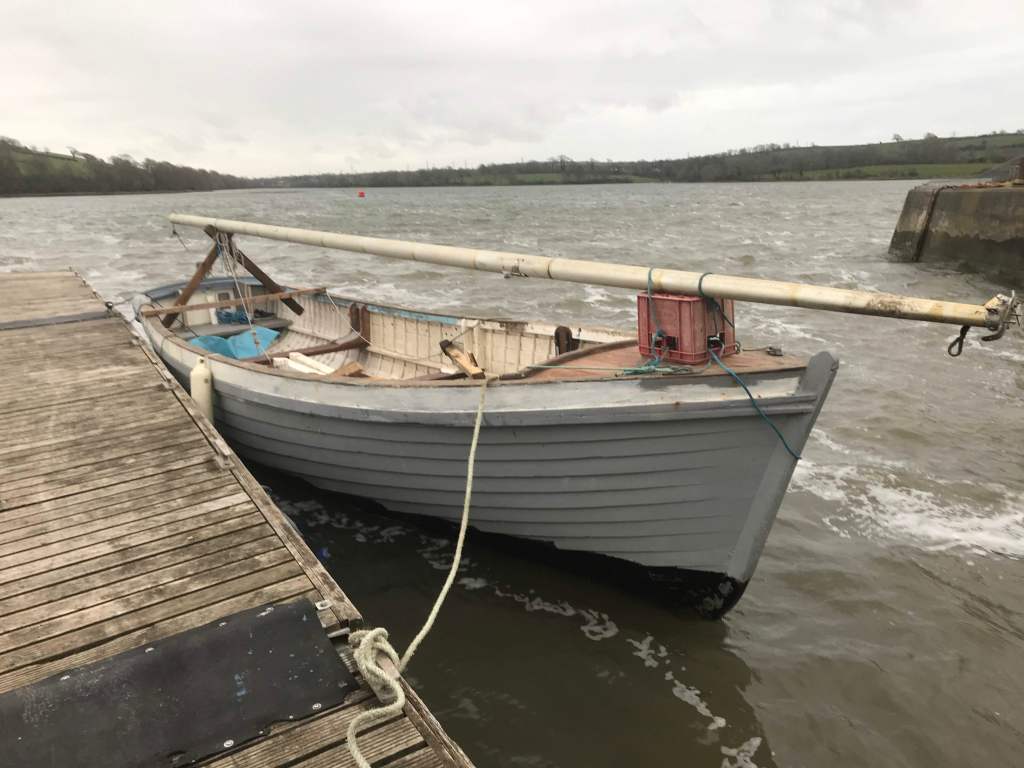
The boat was lifted out and put in a yard near to me so we could start some repair work on her hull.
On the next page we start some repairs…
Next Page – 25′ Motor Cutter Restoration Page 1
Read more: 25′ Motor Cutter – History and Specifications Clinker Boats